Purchasing and warehouse.
Raw materials, reservations and stock in one view.
Supplier orders are created from shortages calculated from the production plan and warehouse stock. The buyer sees what to order, how much and by when, instead of piecing it together from several spreadsheets.
- Order suggestions from the plan and stock
- Suppliers with prices and lead times
- Delivery status through to goods receipt

Stock of raw materials, packaging and finished goods updates with every receipt, production run and shipment. The office does not have to call the warehouse to ask how much is left.
- Stock by warehouse and location
- Receipts and issues from a phone
- Minimum stock levels with a warning

A production order reserves raw materials according to its recipe before it reaches the line. Two orders never count on the same sack of flour, and a shortage shows up at planning, not halfway through a shift.
- Reservation when the order is created
- Available stock net of reservations
- Shortage list for purchasing
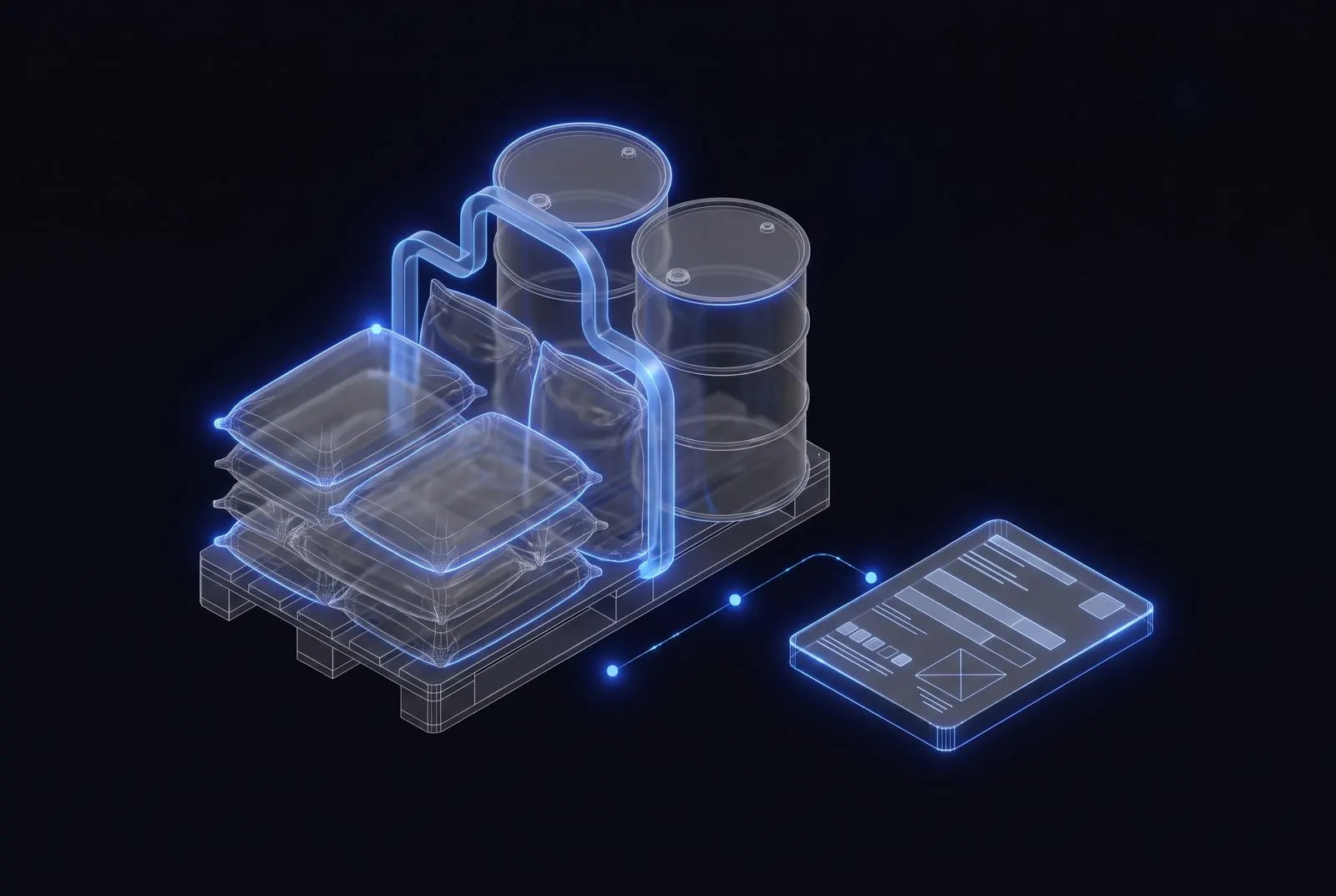
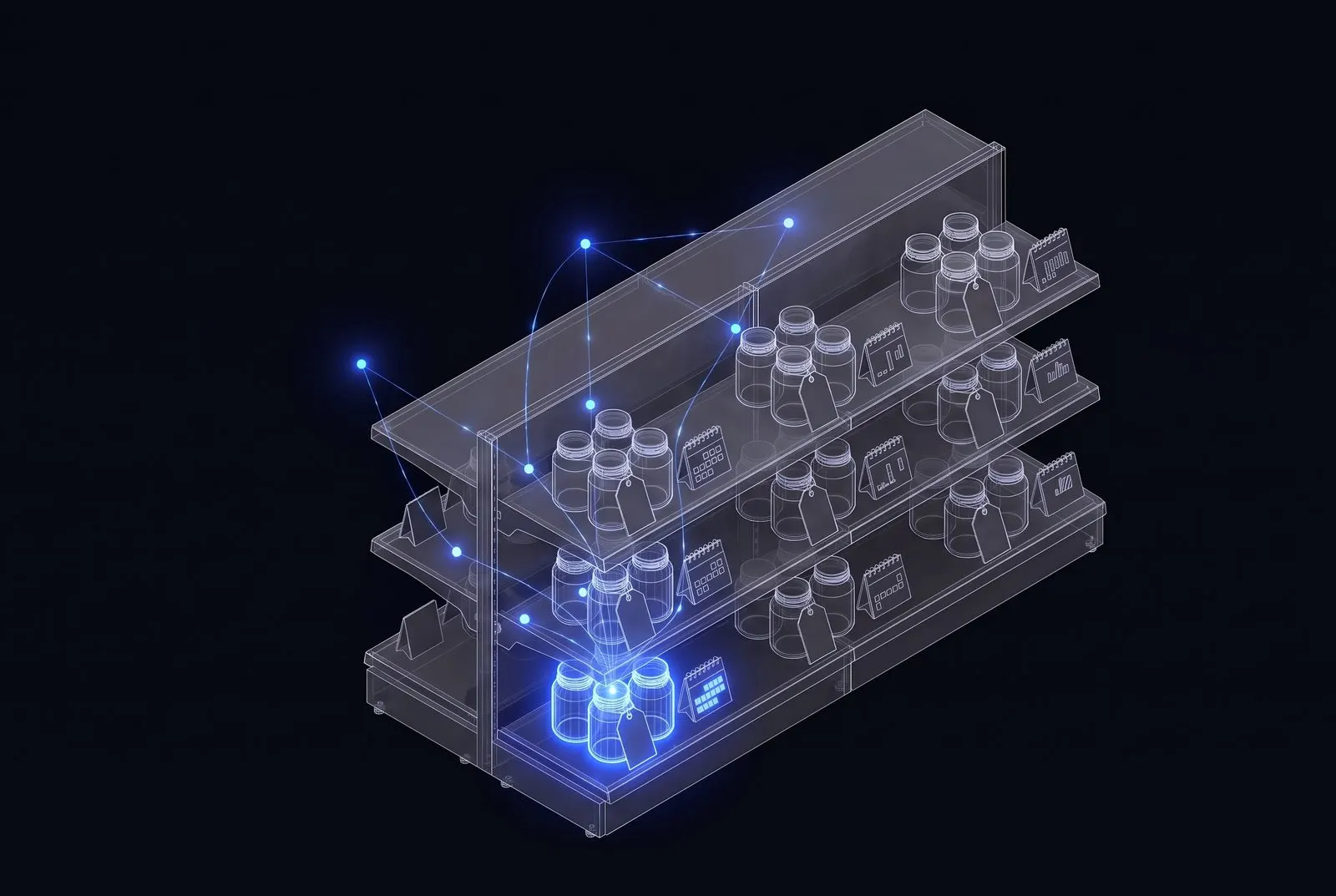
Every receipt and every production run gets a batch number and an expiry date. The warehouse issues the oldest batches first, and in a complaint you know which raw materials went into a product and who received it.
- Batch numbers from delivery to shipment
- Issuing by expiry date
- Batch tracing in both directions
A shipment is created from the order with the goods list, batches and documents ready. The warehouse picks from the list, and the customer is notified about the shipment without an extra email from sales.
- Pick list from the order
- Delivery notes and waybills
- Shipping notice to the customer


Let's see what AI can do in your company.
Companies that adopt modern systems now will be a step ahead of their competitors in a few years. Start with one process, and we add the rest in stages.
Book a call →